

How Teacher Quality Differs in Public and Private Schools
The debate between public and private education often centers on resources, class sizes, and student outcomes. However, one of the most critical aspects influencing educational quality is the teachers themselves. Teacher quality plays a vital role in shaping student success, and differences in recruitment, training, teaching methods, and support systems often distinguish public schools from private institutions. Understanding these differences provides insight into how teacher quality impacts education in each setting.
Recruitment and Hiring Practices
Private schools often have greater flexibility in hiring decisions compared to public schools, which are bound by government regulations and standardized procedures. This freedom allows private institutions to select teachers who align with their educational philosophy or specific curriculum. Public schools, on the other hand, typically require teachers to meet strict certification standards, ensuring they meet government-mandated qualifications before entering the classroom. While this creates consistency in public schools, private institutions may prioritize specialized expertise or teaching style over formal certifications.
Training and Professional Development
Public school teachers usually have access to structured professional development programs funded by the government. These workshops, training sessions, and continuing education opportunities are often mandatory, helping teachers remain updated with curriculum changes and teaching strategies. Private schools may not always provide standardized training, but often emphasize innovative teaching approaches and modern methodologies. In many cases, private schools invest in professional development to maintain a competitive edge, though the availability of these resources may vary depending on the school’s funding.
Class Size and Teaching Conditions
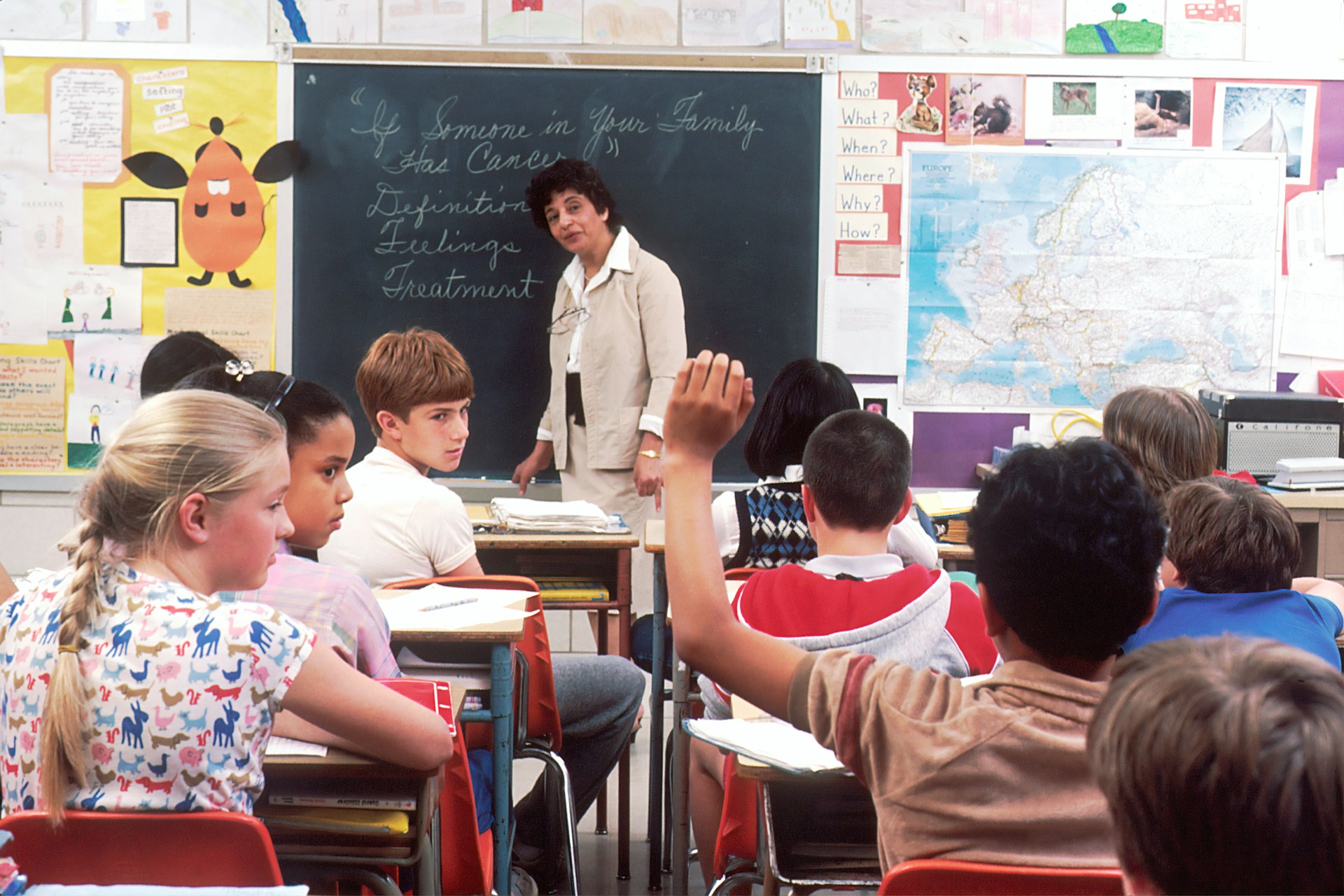
Teacher quality is not only defined by qualifications but also by the conditions in which teachers work. Private schools often feature smaller class sizes, allowing educators to provide more personalized attention and tailor lessons to individual student needs. Public school teachers may face challenges with larger classes, which can impact their ability to give one-on-one support. While dedicated public school teachers still strive to maintain quality instruction, the larger workload can affect the teaching experience.
Accountability and Performance
In public schools, teachers are evaluated through standardized systems and performance reviews designed to ensure quality and accountability. These systems are regulated by government education boards, creating a structured approach to monitoring teacher performance. In private schools, accountability often comes directly from parents and school administrators. Since parents are paying for education, there is usually a higher expectation for teacher performance and results, which can push teachers to maintain high standards in their classrooms.
Compensation and Motivation
Salary structures and benefits also play a role in teacher quality. Public school teachers often receive standardized salaries with benefits such as healthcare, pensions, and job security. While this stability attracts qualified educators, limited financial incentives can sometimes restrict motivation for innovation. In contrast, private schools may offer competitive salaries or performance-based incentives, especially in prestigious institutions, which can attract highly skilled professionals. However, not all private schools provide better pay, as compensation depends on the institution’s funding and reputation.
Teacher quality differs between public and private schools due to variations in recruitment, training, teaching environments, accountability, and compensation. Public school teachers benefit from structured certification and professional development, while private school teachers often have the freedom to innovate and work in smaller classroom settings. Ultimately, both sectors produce highly capable educators, but the conditions and expectations within each system influence how teachers approach their roles. For parents and students, understanding these distinctions can help in making informed choices about education pathways.…